Menu Close

Support the Millet Initiative-1

Mainstreaming Millets :

Introduction

As part of our Health, Wellbeing, and Equity program, we are proud to promote and support the Millet Initiative, a joint campaign by the Government of India and the United Nations to celebrate the UN International Year of Millets in 2023. The goal of this initiative is to raise awareness of the nutritional value of millets and their role in sustainable food systems. Under our new flagship program of Health, Wellbeing, and Equity, this campaign fits perfectly into the three pillars of our model. First, health promotion: millets are known for their high nutritional value and can promote the health of individuals and populations. Second, self-care: incorporating millets into the diet of individuals with chronic diseases can be beneficial in managing blood sugar levels, promoting heart health, controlling weight, reducing inflammation, and boosting immunity. Third, equity: promoting the cultivation and consumption of millets can provide an affordable and nutrient-dense food option, diversify diets, empower small-scale farmers, and contribute to climate change resilience, thus promoting equity for the poor. We are committed to supporting this initiative and believe that it has the potential to create a positive impact on health, wellbeing.

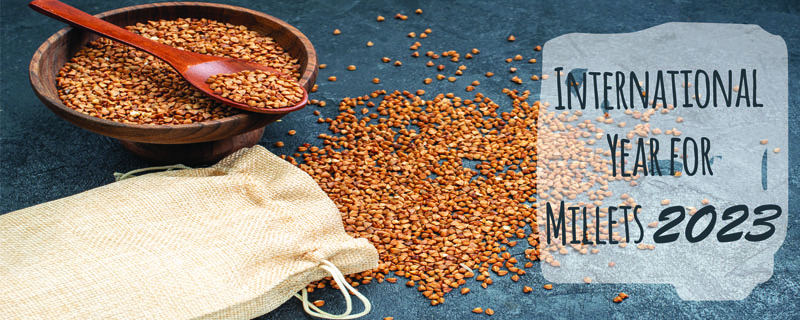
International Year of Millets - 2023

In an effort to promote the consumption and production of millets, the Indian government proposed to the United Nations to declare the year 2023 as the International Year of Millets (IYOM). India received support from 72 other countries, and on 5th March 2021, the United Nations General Assembly (UNGA) declared 2023 as the International Year of Millets. This declaration is a significant step towards promoting the benefits of millets and enhancing their status as a superfood.

Health Benefits

Millets, a type of small-grained cereal belonging to the grass family, have been grown and consumed in the Indian subcontinent for over 5000 years. These hardy grains are traditionally cultivated using rain-fed methods and have low requirements for water and fertility, making them a more sustainable option than other popular cereals. Additionally, millets have a high tolerance for drought and other extreme weather conditions

Millets play a vital role in India’s ecological and economic security, serving as a significant source of food and fodder for millions of farmers. They are also known as “coarse cereals” or “cereals of the poor”. The major millet-producing states in India are Rajasthan, Karnataka, Maharashtra, Uttar Pradesh, Haryana, Gujarat, Madhya Pradesh, Tamil Nadu, Andhra Pradesh, and Uttarakhand

India is among the top 5 exporters of millets in the world, with millet exports increasing from $400 million in 2020 to $470 million in 2021. In 2020, India’s two primary millet varieties, Pearl Millet (Bajra) and Sorghum (Jowar), contributed approximately 19% to the world’s production. This highlights the significance of millets in India’s agriculture and the global market.

Despite being a staple food in semi-arid and drought-prone regions of India, millet consumption is low as people perceive it as traditional, coarse, and of low aspirational value.

These group of small-seeded grains are highly nutritious and have numerous health benefits. Here are some benefits of millets:

Millets are rich in nutrients such as fiber, protein, micronutrients (vitamins, and minerals including calcium, iron & phosphorus), phytochemicals making them a healthy addition to any diet. The millets contain 7-12% protein, 2-5% fat, 65- 75% carbohydrates and 15-20 % dietary fibre.
Millet proteins are more easily digestible, possibly due to their lower levels of cross-linked prolamins.
The high fiber in millets acts a prebiotic, feeding micro-flora which helps to improve digestive health by preventing constipation and promoting regular bowel movements. It helps to eliminate other digestive problem like excess gas, bloating and cramping. It also reduces the risk of gastrointestinal conditions like gastric ulcers or colon cancer.
Millets are naturally gluten-free, making them a great alternative for people who are sensitive to gluten particularly celiac disease.
Millets have a low glycemic index, which means they can help regulate blood sugar levels and prevent type 2 diabetes.
Millets are a great food for weight loss as they are low in calories and high in fiber, which helps you feel fuller for longer.
Millets are rich in antioxidants and vitamin B3 (niacin), which help prevent heart disease, lower cholesterol levels. It is effective in regulating blood pressure. High antioxidants such as phytates, polyphenols, tannins, anthocyanins, phytosterols and pinacosanols present in it also have important role in aging and metabolic diseases.

Millet extracts have anti-prolific effects on cancer cell line. inhibit DNA damage and induce the production of phase- 2 detoxifying enzymes.

Millets can be used in a variety of dishes, from porridges to salads, making them a versatile addition to any diet.

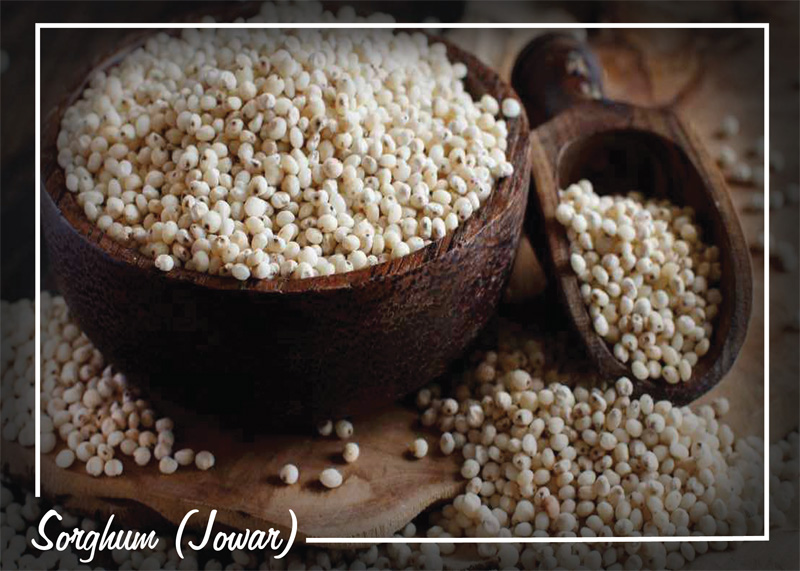
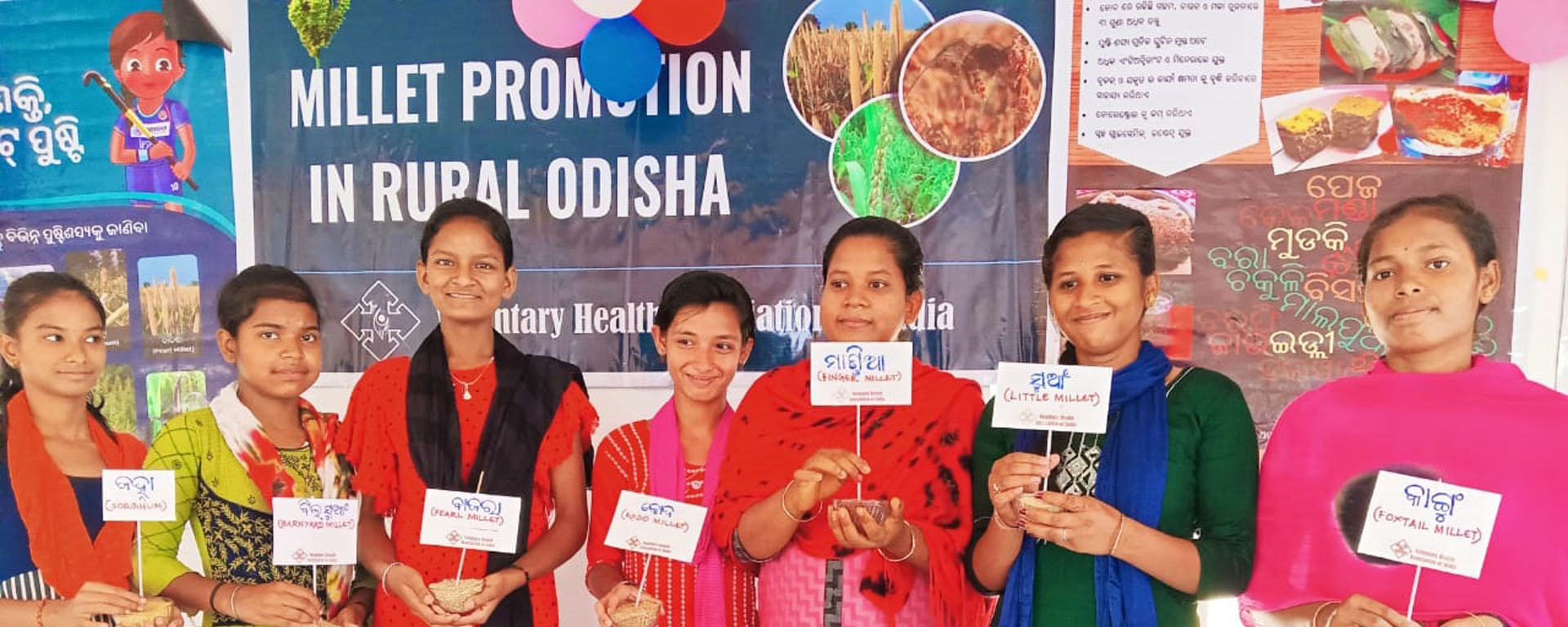
Types of Millets

  • Rich in phenolic compounds which act as antioxidants.
  • Rich source of Iron.
  • Good source of calcium and magnesium for bone health.
  • Phenolic compounds in sorghum have been linked to anti-cancer effects.
  • High in Fibre and aids in weight loss.
  • Gluten Free and safe for Celiac’s disease.
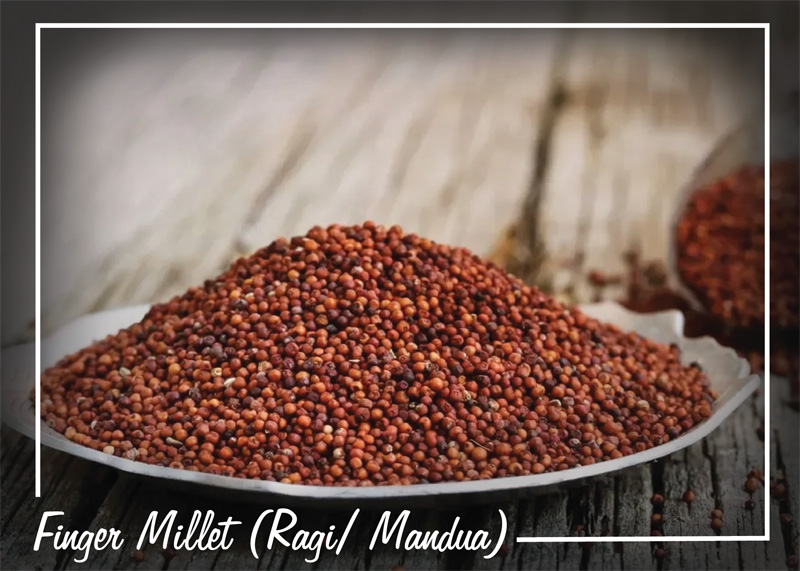
Eat it as Roti, Upma, Cheela, Dosa or Porridge

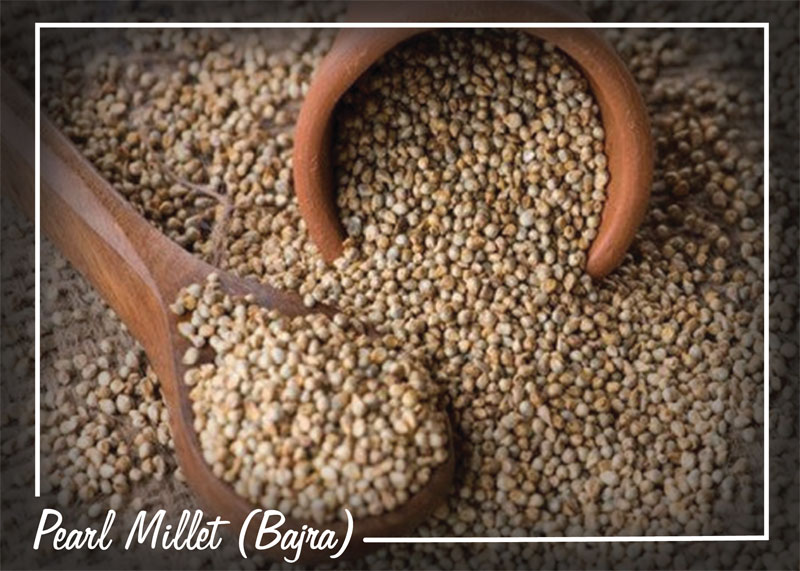
  • Has a low glycemic index and keeps blood sugar levels under control.
  • Rich source of calcium and promotes bone health.
  • Contains Tryptophan, an amino acid that helps check weight by lowering appetite.
  • The presence of Methionine and Lysine in Finger Millet helps in collagen formation which keeps the skin healthy.
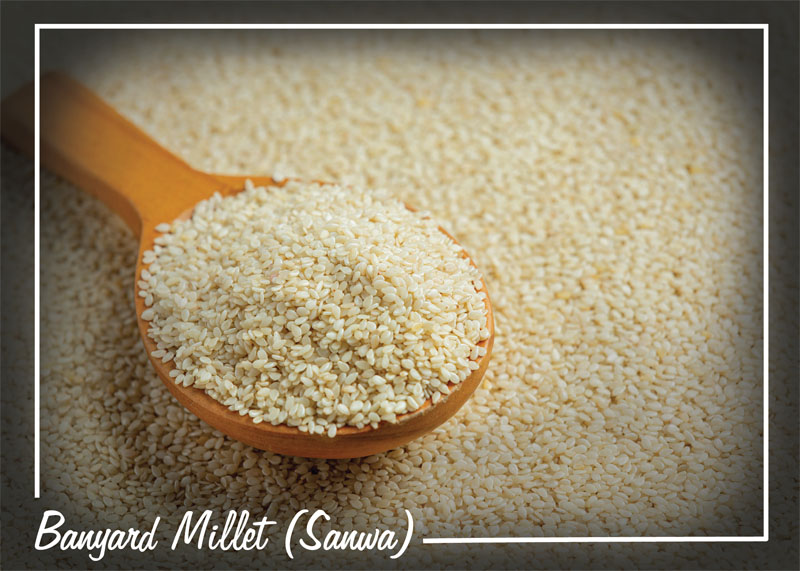
Eat it as Roti, Laddoo, Dosa, Idli or Halwa

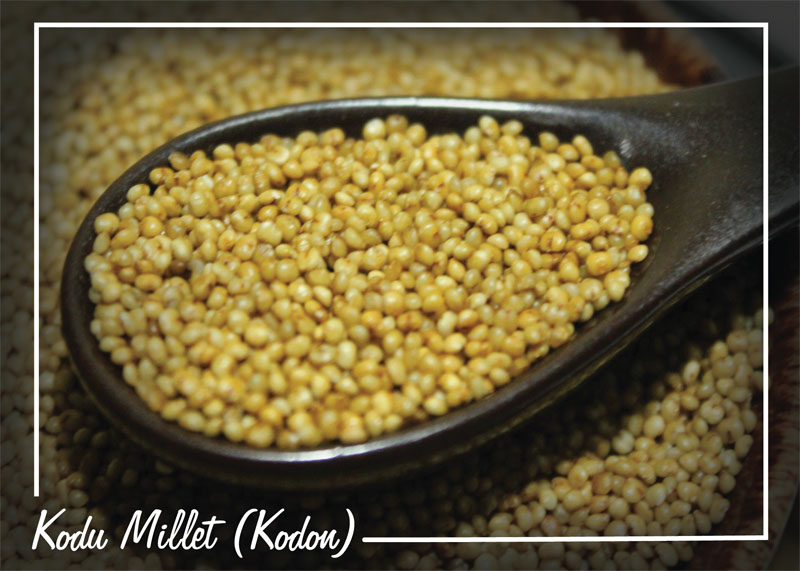
  • Excellent source of dietary fiber with a good amount of both soluble and insoluble fibre.
  • Gluten Free and safe for Celiac’s disease.
  • Good source of Iron.
  • Anti-inflammatory.

Eat it as Idli, Dosa, Pulao or Khichdi

  • Good for heart as it contains omega-3.
  • Anti-inflammatory.
  • Food source of fiber and aids in weight loss.
  • Loaded with vitamin A and zinc, prevents night blindness, provides better vision.
  • Rich in phosphorus and strengthens bones.
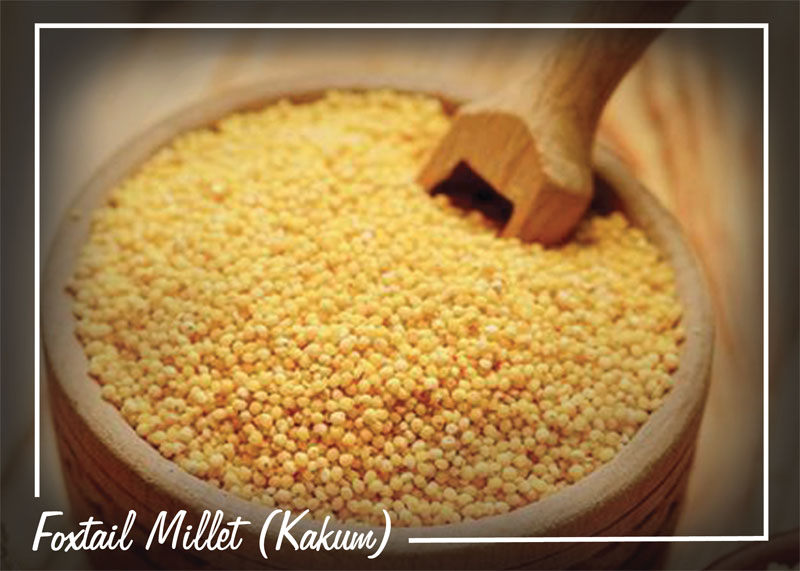
Eat it as Roti, Upma, Laddoo or Khichdi

  • Regulates blood sugar levels as it has a low glycemic index.
  • Rich in iron and calcium, and thus maintains bones health.
  • Rich in Vitamin B12.
  • Boosts Cardiac Health.

Eat it as poha, Pulao, Dosa or Upma

  • Has antibacterial properties.
  • Contains a high amount of lecithin and is excellent for strengthening the nervous system.
  • Anti-oxidant properties.
  • Easy to digest and Gluten Free. Safe for Celiac’s disease.
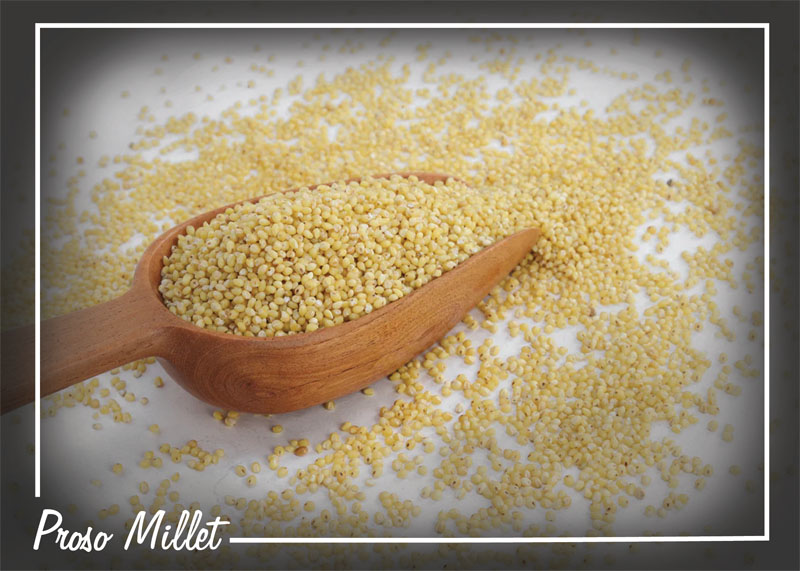
Eat it as Kheer, Cheela, Doa or Upma

  • Good for heart health. Phytic acid in the millet reduces bad cholesterol.
  • Good source of anti-oxidant.
  • Rich source of niacin, helps in preventing Pellagra, a skin condition caused due to niacin deficiency.
  • Good for diabetics as high levels of Magnesium helps regulate insulin levels.
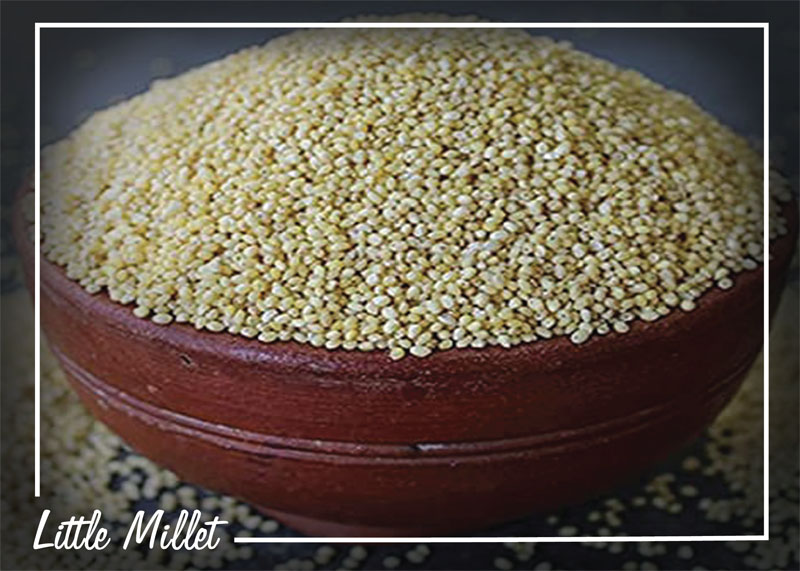
Eat it as Upma, Dosa or Idli

  • Rich in anti-oxidants.
  • Powerhouse of phytochemicals and helps prevent cancer.
  • Rich in insoluble dietary fibre which promotes gut health .
  • Good source of Iron.

Eat it as Pulao, Upma or Idli

Our Activities

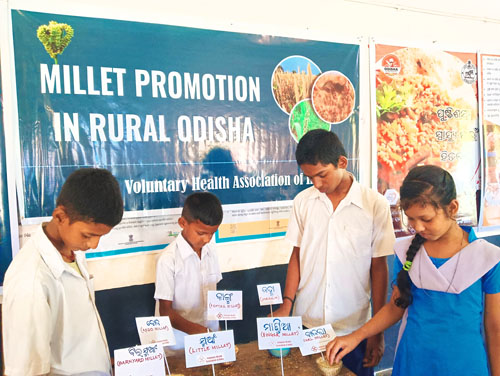
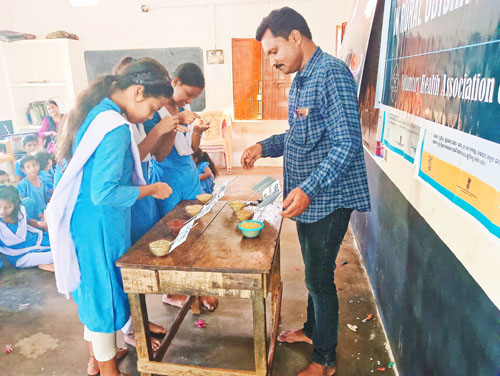
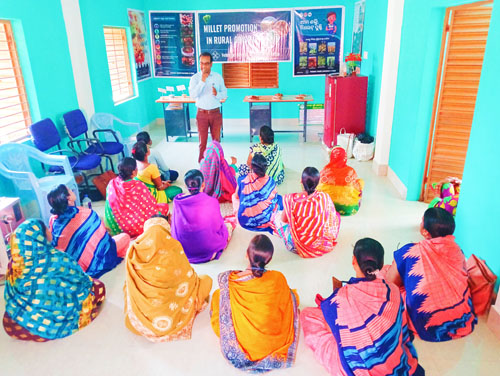
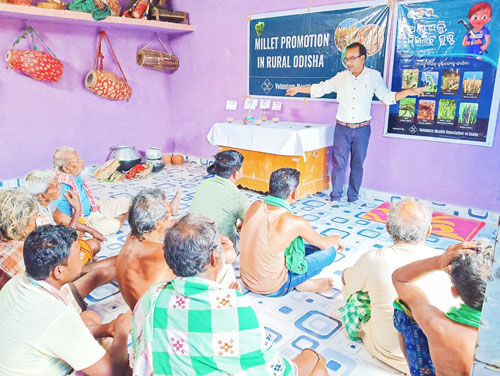
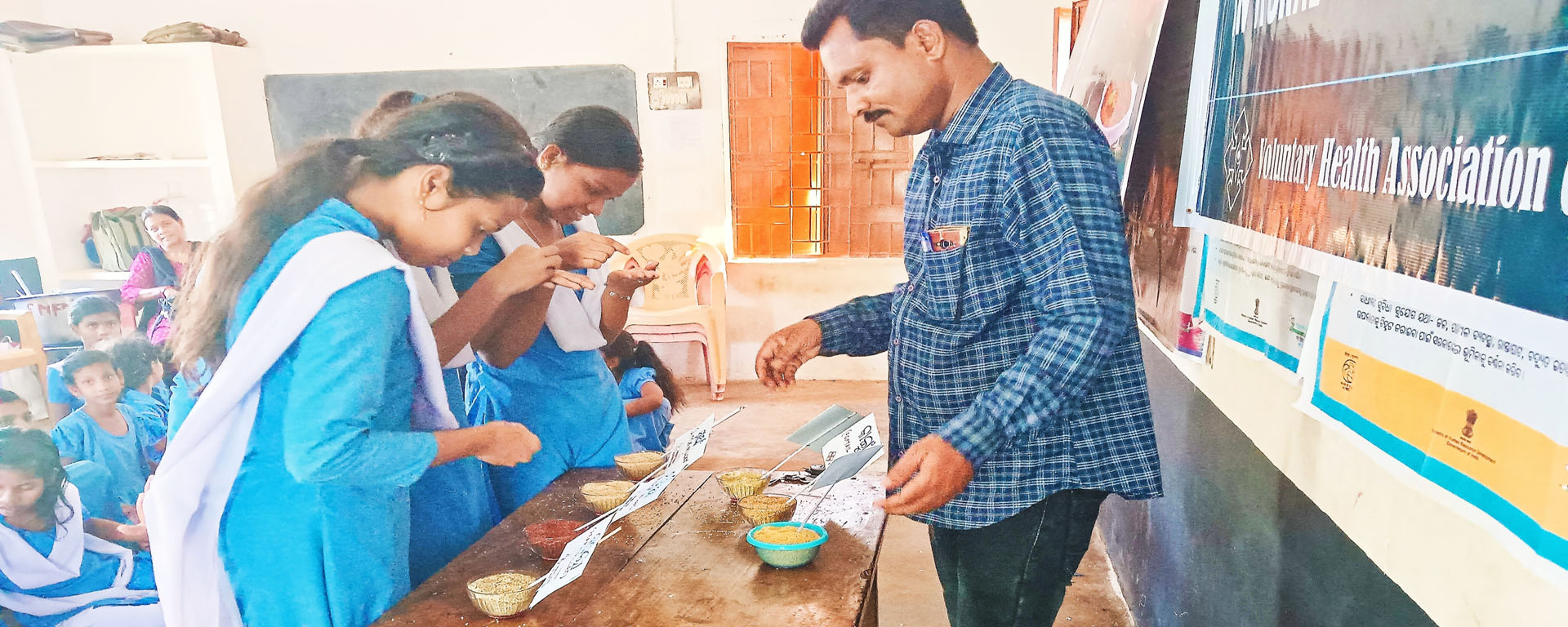
Awareness events (using VHSNCs, youth leaders, CBOs, SHGs/FPOs) at the community level, schools, colleges, universities in close collaboration with Government of India, Eat Right Campaign, FSSAI and State Governments and local administrations to promote millet as a viable solution to address food insecurity and malnutrition among the vulnerable groups given the fact it is highly nutritious, affordable and sustainable.

Encouraging inclusion of millets in mid meal at the Anganwadi Center and Schools, education session and debate or essay competitions for school students to promote awareness on health benefits of millet consumption and nutritional value of millets is being implemented.

Education sessions on millets Diverse types of millets and their nutritive values

Health benefits and need for consumption of millets on regular basis is being addressed for lactating mother and pregnant women at Anganwadi Centers.

Training of the identified progressive farmers on different aspects of millet irrigation. Promotion of local varieties of millets, increasing productivity and demonstration of improved agricultural techniques is being imparted to farmers.

Since millets are drought resistant and need less water to grow, promoting model millet gardens in residential schools and Anganwadi Centres is being undertaken to promote cultivation of millets in Kitchen gardens.

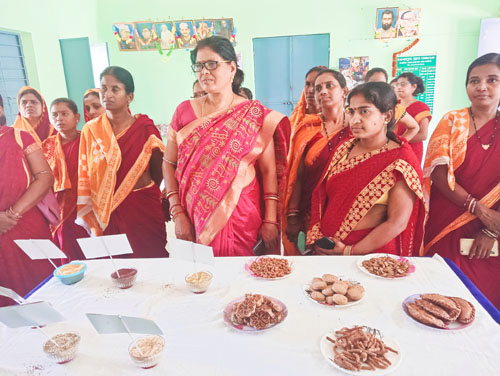
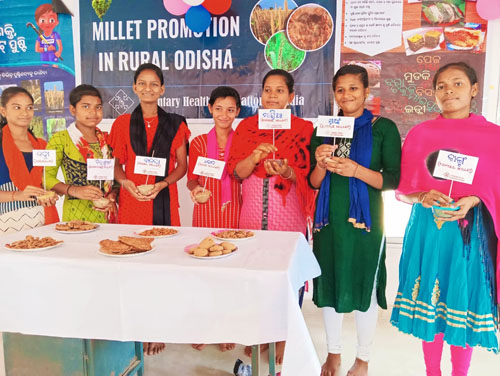
Household consumption of millets through exposure to various recipes through a process of training, workshops, food festivals and campaigns. Promotion of local traditional recipes is being done to promote local culture and celebration.

Using right messaging and creative content, a social media campaign has been initiated to reach mass awareness on millets and encourage them to incorporate this nutritious grain into their daily diet.

Documentation of best practices and success stories on millet cultivation, recipes etc for replication and sustainability.

Resources